 PPG Hub
Sign in
Editing
Liquify Gas GUIDE
Liquid Nitrogen (LIN)
Liquid Nitrogen Facts and SafetyKey Takeaways: Liquid NitrogenLiquid nitrogen consist of pure nitrogen molecules (N2) in their liquid state.At normal pressure, nitrogen becomes a l…
On this page7 sections
Liquid Nitrogen Facts and Safety
Key Takeaways: Liquid Nitrogen
- Liquid nitrogen consist of pure nitrogen molecules (N2) in their liquid state.
- At normal pressure, nitrogen becomes a liquid below −195.8° C or −320.4° F and a solid at −209.86 °C or −345.75 °F. At these low temperatures, it is so cold it immediately freezes tissues.
- Liquid nitrogen, like solid and gaseous nitrogen, is colorless.
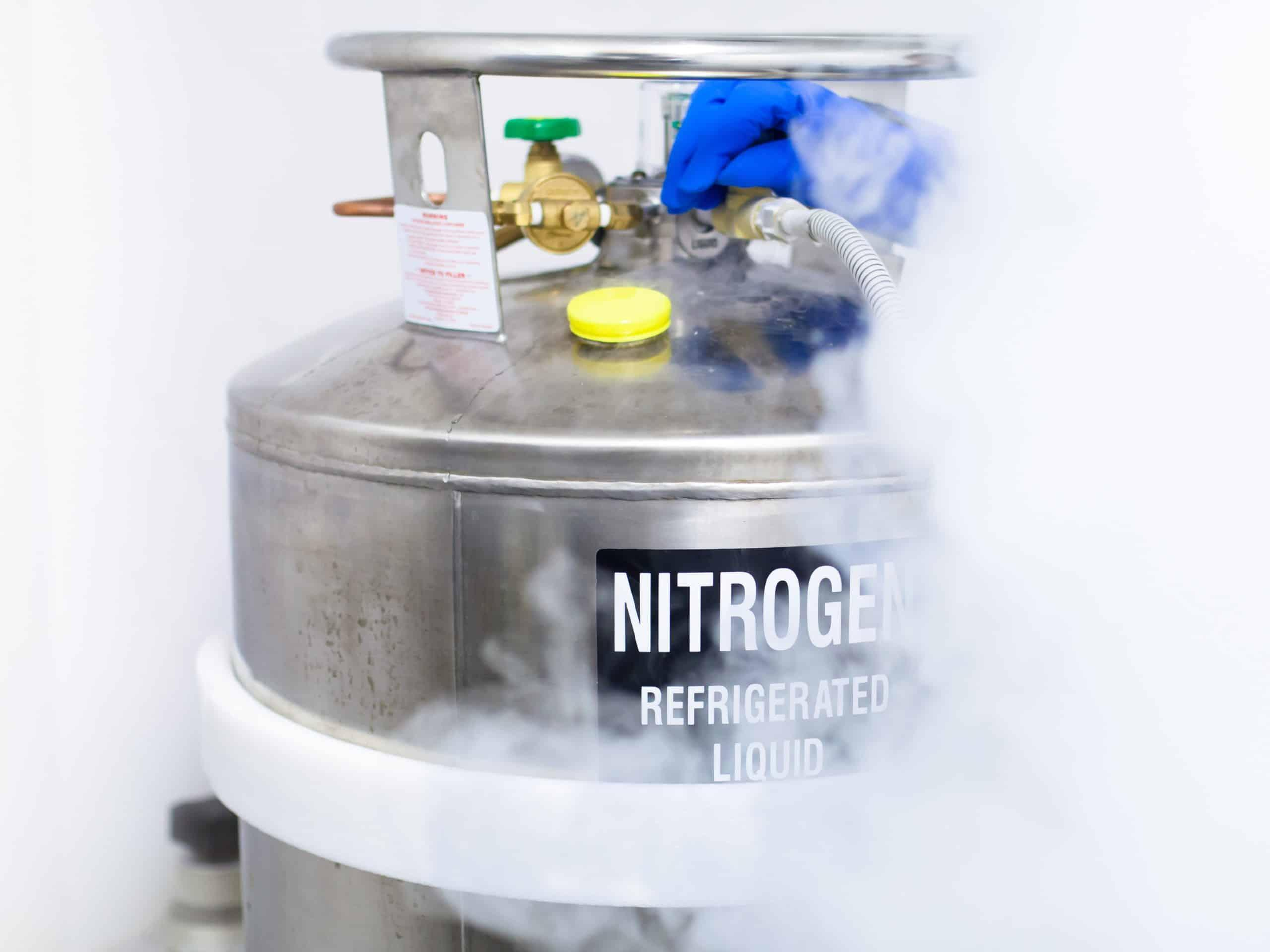
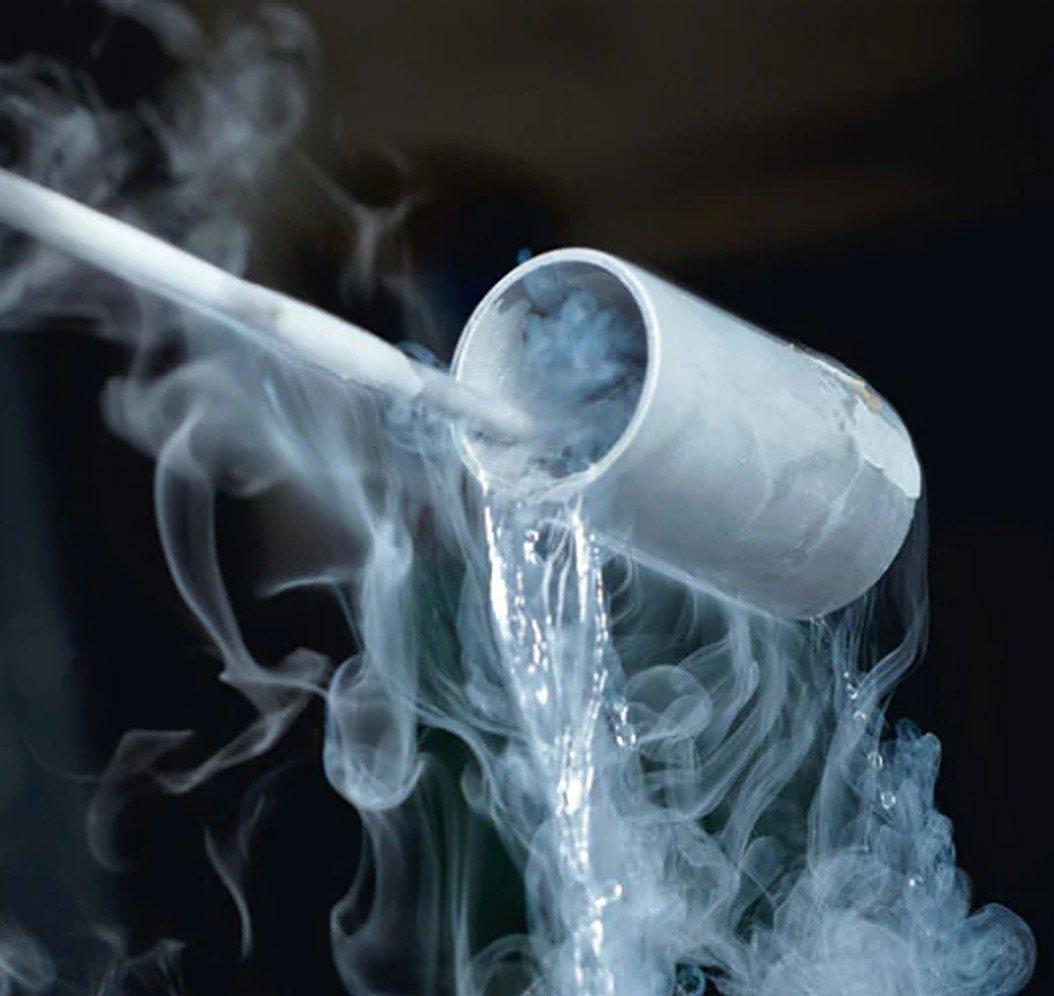
Liquid Nitrogen Facts
- Liquid nitrogen is the liquefied form of the element nitrogen that's produced commercially by the fractional distillation of liquid air. Like nitrogen gas, it consists of two nitrogen atoms sharing covalent bonds (N2).
- Sometimes liquid nitrogen is denoted as LN2, LN, or LIN.
- A United Nations Number (UN or UNID) is a four-digit code used to identify flammable and harmful chemicals. Liquid nitrogen is identified as UN number 1,977.
- At normal pressure, liquid nitrogen boils at 77 K (−195.8° C or −320.4° F).
- The liquid-to-gas expansion ratio of nitrogen is 1:694, which means liquid nitrogen boils to fill a volume with nitrogen gas very quickly.
- Nitrogen is non-toxic, odorless, and colorless. It is relatively inert and is not flammable.
- Nitrogen gas is slightly lighter than air when it reaches room temperature. It is slightly soluble in water.
- Nitrogen was first liquefied on April 15, 1883, by Polish physicists Zygmunt Wróblewski and Karol Olszewski.
- Liquid nitrogen is stored in special insulated containers that are vented to prevent pressure buildup. Depending on the design of the Dewar flask, it can be stored for hours or for up to a few weeks.
- LN2 displays the Leidenfrost effect, which means it boils so rapidly that it surrounds surfaces with an insulating layer of nitrogen gas. This is why spilled nitrogen droplets skitter across a floor.
Liquid Nitrogen Safety

When working with liquid nitrogen, taking safety precautions is paramount:
- Liquid nitrogen is cold enough to cause severe frostbite on contact with living tissue. You must wear proper safety gear when handling liquid nitrogen to prevent contact or inhalation of the extremely cold vapor. Cover and insulate skin to avoid exposure.
- Drinking liquid nitrogen can be lethal. While it freezes tissues, the real issue is the rapid expansion from a liquid into a gas, which ruptures the gastrointestinal tract.
- Because it boils so rapidly, the phase transition from liquid to gas can generate a lot of pressure very quickly. Do not enclose liquid nitrogen in a sealed container, as this may result in it bursting or an explosion.
- Adding large quantities of nitrogen to the air reduces the relative amount of oxygen, which may result in an asphyxiation risk. Cold nitrogen gas is heavier than air, so the risk is greatest near the ground. Use liquid nitrogen in a well-ventilated area.
- Liquid nitrogen containers may accumulate oxygen that is condensed from the air. As the nitrogen evaporates, there's a risk of violent oxidation of organic matter.
Liquid Nitrogen Uses
Liquid nitrogen has many uses, mainly based on its cold temperature and low reactivity. Examples of common applications include:
- The freezing and transporting of food products
- The cryopreservation of biological samples, such as sperm, eggs, and animal genetic samples
- Use as a coolant for superconductors, vacuum pumps, and other materials and equipment
- Use in cryotherapy to remove skin abnormalities
- The shielding of materials from oxygen exposure
- The quick freezing of water or pipes to allow work on them when valves are unavailable
- A source of extremely dry nitrogen gas
- The branding of cattle
- The molecular gastronomy preparation of unusual foods and beverages
- The cooling of materials for easier machining or fracturing
- Science projects, including making liquid nitrogen ice cream, creating nitrogen fog, and flash-freezing flowers and subsequently watching them shatter when tapped onto a hard surface.
To calculate how many kilograms (kg) of liquid nitrogen (LN₂) can be stored in a 160-liter tank, we need to know the density of liquid nitrogen under normal conditions.
Density of Liquid Nitrogen:
- Density of LN₂ at around -196°C (boiling point) and at 1 atm is approximately:
- 0.808 kg/L
Calculation:
- Mass of LN₂ = Volume×Density
- Mass of LN₂=160L×0.808 kg /L
- Mass of LN₂=128.6 kg
- Result:
- A 160-liter tank can store approximately 128.6 kg of liquid nitrogen (LN₂).
Was this page helpful?
Keep exploring